Posts

Matzoh and Cheese Pairings for Passover

Image
Passover is everyone’s favorite food holiday. Well, kind of. We celebrate the power of food in our lives, and share a ritual meal where food serves as both a symbolic presence and as nourishment. We gather around. We eat. The first night is a wonderful experience with family and friends. But now we’ve arrived at the Passover hump. The matzo has been open for a few days. It’s dry ; it started out dry. You’ve eaten fried matzo for breakfast, lunch, and dinner and the gefilte fish in the fridge is developing a personality. And you live in San Francisco— the foodie’s paradise, never mind your friends are Instagramming Tartine breakfast buns and The Mill’s monster pieces of toast. 

A Conversation Between "In That Case" Collaborators Artist Helena Keeffe and Chef and Food Activist Jessica Prentice

Image
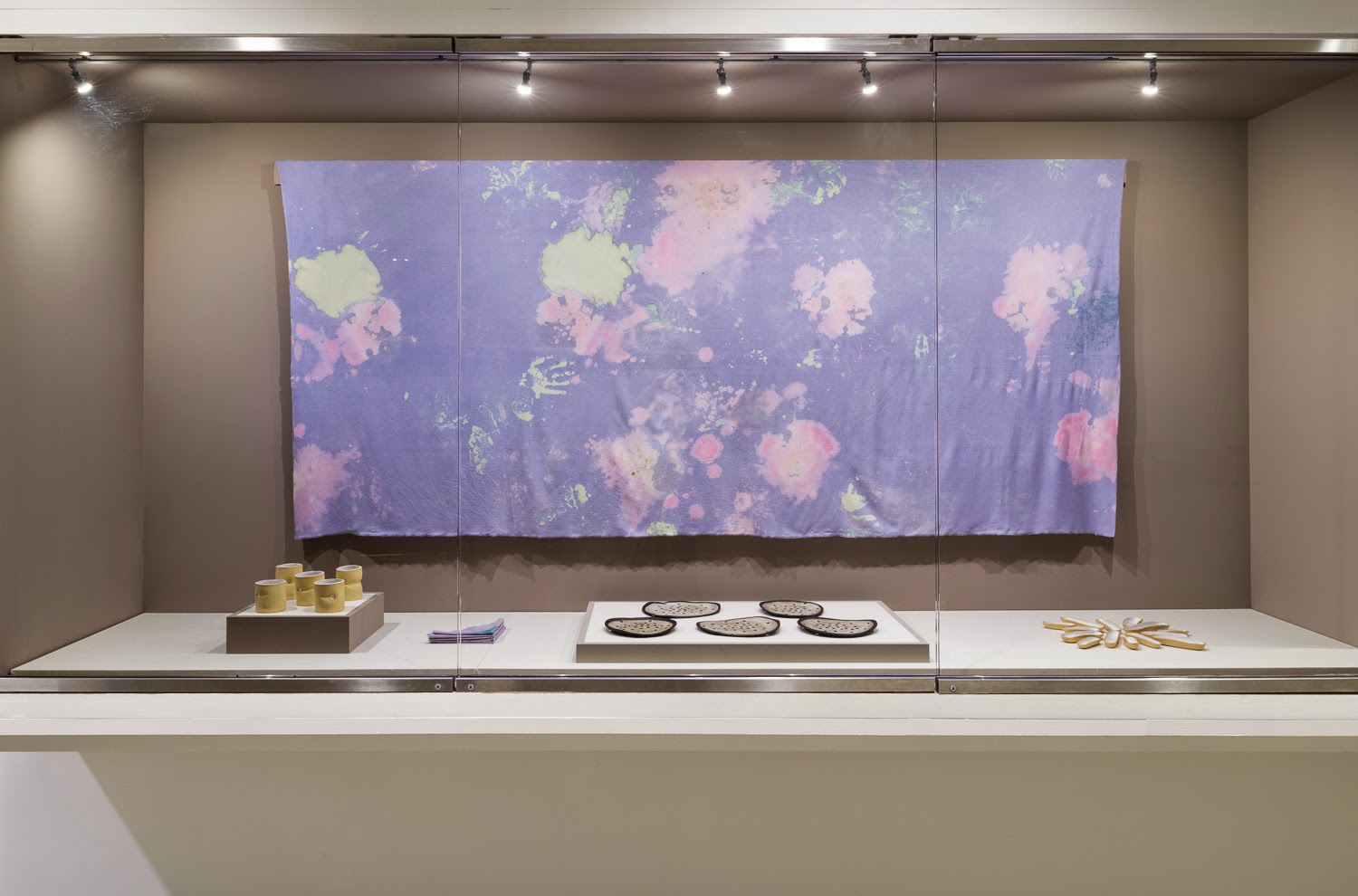
Jessica winnowing nigella seeds for A Salad of Wild Weeds and Seeds   Photo by Helena Keeffe For the second iteration of The Contemporary Jewish Museum's  In That Case :  Havruta  in Contemporary Art , San Francisco artist Helena Keeffe collaborated with Richmond, CA-based chef and food activist Jessica Prentice. They reflect on art, working together, and what is "necessary." Helena Keeffe (HK) : Jessica, when I first approached you about working together I was nervous that the art context wouldn't interest you, but I knew you had worked with artists as a chef at Headlands Center for the Arts, so I figured there was a chance. Museums make artwork and other cultural artifacts available to the public in a way that is quite different than publishing a book or making food available through social entrepreneurship. What were your thoughts when I first presented this opportunity? Be honest!

In the Case of In That Case: A Curator Chat

Image
In That Case: Havruta in Contemporary Art  Helena Keeffe and Jessica Prentice  Photo by Johnna Arnold. The Contemporary Jewish Museum's (CJM) Associate Curator Lily Siegel and Curatorial Associate Claire Frost sat down to discuss working with artists and looking at contemporary art. In That Case: Havruta in Contemporary Art is an ongoing exhibition program at The CJM that encourages learning through fellowship for Bay Area artists, established professionals, museum staff, and the entire CJM community.   

Teen Speaks: My Roots

Image
Image: A short reflection I wrote upon this project . My name is Hope Kogod and I’m one of thirteen Teen Art Connect (TAC) interns at The Contemporary Jewish Museum (The CJM). As a part of the TAC program, we apprentice during the school year with Museum staff, help at CJM events, and get to be part of interesting art projects such as Our Roots .

Malcolm Margolin Reads a Menu

Image
Photo: Malcolm Margolin reading  A Menu for Recognizing Invisible Forces  by  Helena Keeffe and Jessica Prentice.  Courtesy of Helena Keeffe. When Helena and I first met and began the conversation about collaborating on a Havruta project, she asked me what I was reading. It happened to be The Ohlone Way by Malcolm Margolin, and she mentioned that she had also read much of it. This book became the inspiration for many of our conversations as it wove in many of our shared interests.

Artist Helena Keeffe Talks About Collaboration

Image
A Menu for Recognizing Invisible Forces by Helena Keeffe and Jessica Prentice In That Case: Havruta in Contemporary Art is based on the Talmudic principle of havruta —the study of religious texts by people in pairs. The root word haver —“friend” in Hebrew—emphasizes the communal nature of learning, and the havruta learning model reflects the Jewish affinity for asking questions and grappling with complex topics, together. Each local artist invited to participate is given the opportunity of working with an established writer, scientist, thinker, or academic in a field of their choosing. For the second iteration of In That Case , San Francisco artist Helena Keeffe  collaborated with Richmond, CA-based chef and food activist Jessica Prentice . Helena spoke about the collaboration with Curatorial Associate Claire Frost.

The POLIN Museum of the History of Polish Jews Reclaims Jewish Memory

Image
 Photo: W. Kryński. Courtesy of POLIN Museum of the History of Polish Jews. I attended the October 2014 opening of the POLIN Museum of the History of Polish Jews in Warsaw. The new museum is a work of genius from every aspect—conceptually, architecturally, programmatically, and intellectually. The POLIN Museum stands across from and in dialogue with the monument to the heroes of the Warsaw Ghetto Uprising of 1943 during World War II. Both are sited in what used to be the Warsaw Ghetto, where the Jewish resistance opposed Nazi Germany’s command to transport the remaining population to the Treblinka extermination camp.